Best Cerebral Alternatives in 2026: 7 Online ADHD and Mental Health Care Options
By Soothfy Team ·
Looking for a Cerebral alternative? We compare the 7 best online ADHD, anxiety and depression care options in 2026, with published prices and insurance details.
Cerebral made mental health care feel easier to reach: answer some questions, meet a clinician by video, and manage medication and therapy from your phone. It has 4.6 stars from about 32,000 U.S. App Store reviews.
But many people look for alternatives, whether because of cost, insurance, availability in their state, a wish for a specialist, or concerns from past news coverage. This guide compares the 7 best Cerebral alternatives in 2026 for ADHD, anxiety and depression care, with the latest published prices. Read our honest Cerebral review for the full background.
If you're in crisis or thinking about harming yourself, please reach out to a person right now. In the U.S., call or text 988. In the UK, call Samaritans on 116 123. In Australia, call Lifeline on 13 11 14. Elsewhere, contact your local emergency number. Telehealth services aren't emergency services.
Quick answer: the best Cerebral alternatives in 2026
🥇 Soothfy: best daily support between appointments (self-help, not medical care)
Talkiatry: best for psychiatry with insurance
Klarity: best flexible ADHD care
Done: cash-pay ADHD clinic
ADHD Online: best for an online ADHD assessment first
Brightside Health: best for depression and anxiety with medication
Rula: best for therapy and psychiatry with low copays
About Soothfy (who wrote this)
This guide is written by the team behind Soothfy, a mental health app for ADHD, anxiety, depression, stress, insomnia, OCD, PTSD, panic attacks and addictive habits. Soothfy is our product, so we say clearly where another app is the better pick. Download Soothfy on the App Store or Google Play.
Wanting a specialist. Some people want an ADHD-focused clinic or a psychiatrist rather than a nurse practitioner.
Prescribing policies. Telehealth rules for some ADHD medications have changed over the years, so availability varies.
Continuity. Some people want the same clinician every visit.
How We Chose
U.S. telehealth services offering evaluation, therapy or medication management
Published prices or insurance details
Focus on ADHD, anxiety and depression
Soothfy is our app. It's a self-help tool, not a clinic; if you need diagnosis or medication, choose one of the services below.
The 7 Best Cerebral Alternatives in 2026
1. Soothfy: Best Daily Support Between Appointments
Telehealth psychiatry usually means a short appointment every few weeks. In between, you're on your own with the focus problems, overwhelm, anxiety and sleep issues that made you seek help. Soothfy doesn't diagnose or prescribe; it's built for those in-between days.
Instant Relief gives you 3 CBT exercises for your exact symptom with a 2-minute timer. A personalized 30-day plan of 2- to 5-minute activities, tied to Anchor Habits, helps you build routines that support medication or therapy. And the mood and sleep tracker creates weekly and monthly reports you can share with your prescriber, which is useful when adjusting a dose or medication.
Compared with Cerebral: Cerebral provides medical care; Soothfy is a self-help app you can use alongside any provider, for a fraction of the monthly cost.
Key features
Instant Relief: pick your exact symptom, like overwhelm or a racing mind, and get 3 CBT exercises with a 2-minute timer
Personalized 30-day plan of 2- to 5-minute activities that adapts to your mood and energy
Anchor Habits: new habits tied to routines you already do, like making coffee
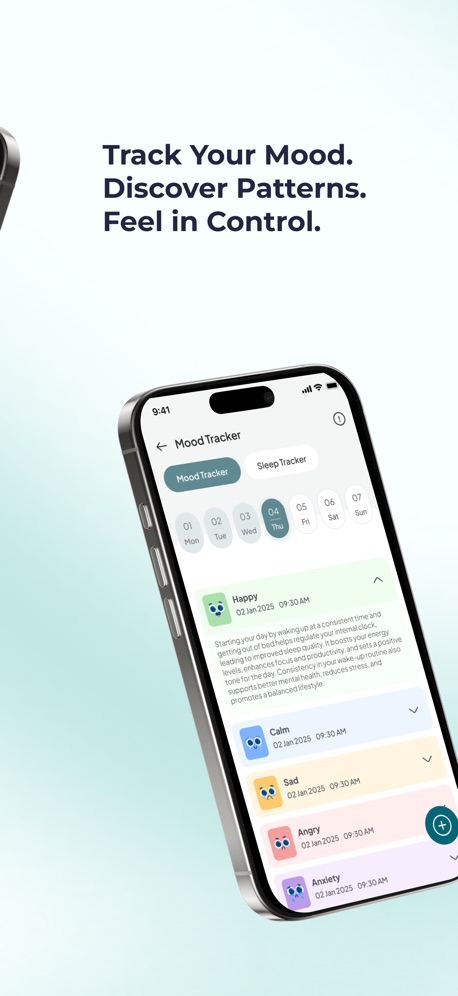
Mood and sleep tracker with weekly and monthly trends and reports for your doctor or therapist
Journal with text, voice notes and images
Pros
Reports to share with your prescriber
Help for overwhelm and focus every day
Covers ADHD, anxiety, depression and more
Cons
Doesn't diagnose or prescribe
Pricing
Free to download with a free trial, then $49.99/year or $8.99/month (U.S.). Get it on the App Store or Google Play, or learn more at soothfy.com.
Best for
Anyone using telehealth psychiatry
People waiting for an appointment
Mood + sleep trackerA plan that adapts to you
Support between appointments
Try Soothfy free: mood and sleep reports for your prescriber and 2-minute CBT relief.
Talkiatry is an in-network psychiatry practice that works with major insurers. It offers psychiatric evaluations, diagnosis and medication management, with therapy available as an add-on for medication patients.
Compared with Cerebral: Insurance-focused and psychiatry-led, with per-visit copays instead of a monthly membership.
Key features
Psychiatric evaluations
Medication management
Therapy add-on
In-network with major insurers
Pros
No membership fee
Low visit costs with insurance
Cons
No self-pay option
No Medicaid, per Rula
Pricing
Per-visit copays around $20–$60 (MedSwitcher); Rula reports most visits at $30 or less (Rula).
Best for
People with insurance who need medication
3. Klarity: Best Flexible ADHD Care
Klarity connects you with licensed clinicians for ADHD, anxiety and depression evaluations and medication management through telehealth. It accepts some insurance plans and offers self-pay care.
Compared with Cerebral: Similar telehealth model with ADHD focus; check insurance coverage for your plan.
Done is a subscription-based telehealth service focused on adult ADHD, with evaluations and ongoing medication management. It's cash-pay only, so insurance doesn't apply.
Compared with Cerebral: ADHD-only focus; no insurance, so the price is the same whatever your plan.
5. ADHD Online: Best for an Online ADHD Assessment
ADHD Online offers an online ADHD assessment reviewed by a licensed psychologist, followed by optional treatment. It doesn't take insurance, though some HSA and FSA accounts can be used.
Compared with Cerebral: Starts with a standalone assessment, so you can get a diagnosis first and decide on treatment later.
Key features
Online assessment
Written report
Optional treatment
Pros
Clear assessment step
Cons
No insurance
Pricing
49 assessment, then 99/month for treatment (MedSwitcher).
Best for
Adults who want an assessment first
6. Brightside Health: Best for Depression and Anxiety With Medication
Brightside focuses on depression and anxiety, combining therapy, psychiatry and medication management, plus a Crisis Care program. It accepts major insurance plans.
Compared with Cerebral: More focused on depression and anxiety than ADHD, with clear monthly self-pay plans.
Key features
Therapy and psychiatry
Medication management
Crisis Care program
Pros
Strong for depression and anxiety
Insurance accepted
Cons
Narrower focus
Pricing
Self-pay $95/month medication, $299/month therapy or $349/month combined (Rula).
Best for
People with depression or anxiety
7. Rula: Best for Therapy and Psychiatry With Low Copays
Rula offers video therapy and psychiatry with in-network providers, reporting 170 insurance plans and Medicare in all 50 states, with an average copay of about 5. See our Talkspace alternatives for more therapy options.
Compared with Cerebral: Broader insurance coverage, including Medicare, with both therapy and psychiatry.
Key features
Therapy and psychiatry
170 insurance plans
Medicare in all 50 states
Pros
Low average copay
Cons
Self-pay is expensive
Pricing
About 5 average copay; self-pay from 50/session (Rula).
Best for
People with insurance, including Medicare
Which Alternative Fits Your Situation?
Your situation
Best fit
I have insurance and need medication
Talkiatry or Rula
I want an ADHD diagnosis first
ADHD Online or Klarity
I don't have insurance and want ADHD-only care
Done or Klarity
I have depression or anxiety and may need medication
Brightside
I'm on Medicare
Rula
I want daily support between visits
Soothfy, with any of the above
Questions to Ask Any ADHD Telehealth Provider
How do you evaluate ADHD, and how long does the assessment take?
Which ADHD medications do you currently prescribe in my state?
Will I see the same clinician each time?
How do refills work, and what happens if there's a shortage?
Do you accept my insurance, and what will each visit cost?
How do I reach someone between appointments?
Can you coordinate with my therapist or GP?
Medication availability is a real issue: in 2023, 71.5% of U.S. adults taking stimulants reported trouble filling a prescription because of shortages (CDC, 2024). Ask each provider how they handle this.
Making the Most of Short Appointments
Track daily. Mood, sleep, focus and side effects, briefly, every day.
Bring three points. What's better, what's worse, and your main question.
Note timing. When does medication seem to work, and when does it wear off?
Be honest about side effects. Appetite, sleep and mood changes all matter.
Ask about non-medication strategies. Routines, CBT skills and sleep habits help too.
Soothfy's mood and sleep reports make the first point easy, and its Anchor Habits help with the last one.
Start with a 2-minute check-inYour personal goals
Telehealth vs In-Person ADHD Care
Telehealth
In-person
Speed
Often faster to book
Waitlists can be long
Convenience
From home, no travel
Travel and time off work
Assessment depth
Varies by provider
Often more comprehensive testing
Medication
Depends on provider and state rules
Fewer restrictions
Best for
Busy adults, rural areas, follow-ups
Complex cases, first-time diagnosis
Many people combine the two: an in-person assessment for diagnosis, then telehealth for follow-ups. If you're unsure, start with your GP, who can refer you or confirm what your insurance covers. Our guide to getting diagnosed with ADHD as an adult walks through the process.
Red Flags to Watch For
A diagnosis after only a short questionnaire with no real conversation
Pressure to sign up for a long subscription before you've seen anyone
No clear way to reach a clinician between appointments
Unclear pricing or surprise fees for refills
No plan for what happens if your clinician leaves
Promises that medication alone will fix everything
Good providers take time to understand your history, explain options (including non-medication strategies), and make follow-up easy.
Life Beyond Medication
Medication helps many people with ADHD, but most guidelines recommend combining it with practical strategies: routines, sleep habits, skills for starting tasks and managing emotions, and support from people around you. Small daily habits tied to things you already do are often the easiest to keep. That's the approach behind Soothfy's Anchor Habits, and it works alongside any treatment plan.
Key takeaways
Cerebral's self-pay plans were listed at $85–$285/month (April 2026); confirm current prices directly.
Talkiatry and Rula are strong options with insurance; Klarity, Done and ADHD Online focus on ADHD.
Brightside is best for depression and anxiety with medication.
Ask any provider which medications they currently prescribe and how refills work.
Soothfy doesn't diagnose or prescribe, but helps between appointments with 2-minute CBT relief and mood and sleep reports.
Final Verdict
With insurance, start with Talkiatry or Rula. For ADHD-focused care, try Klarity, Done or ADHD Online. For depression and anxiety, Brightside. And whatever you choose, Soothfy can help you build routines and track how you're doing between appointments.
For psychiatry with insurance, Talkiatry. For ADHD-focused care without insurance, Klarity or ADHD Online. For depression and anxiety with medication, Brightside. For therapy plus psychiatry with low copays, Rula. Soothfy is our pick for daily support alongside any of them.
2. How much does Cerebral cost?
Without insurance, Cerebral was listed at $85 a month for medication-only care up to $285 a month with therapy, and often $0–$30 with insurance, according to MedSwitcher (April 2026). Check Cerebral's site for current prices.
3. Which Cerebral alternative takes insurance?
Talkiatry, Rula and Brightside accept many major plans. Klarity accepts some plans. Done and ADHD Online were listed as cash-pay only.
4. Which alternative is best for ADHD?
Talkiatry, Klarity, Done and ADHD Online all focus heavily on ADHD evaluation and treatment. Ask each provider how they assess ADHD and which medications they currently prescribe, as policies can change.
5. Can online providers prescribe ADHD medication?
Some telehealth providers can prescribe ADHD medication, including stimulants, depending on federal and state rules, the provider's policies and an appropriate evaluation. Rules have changed several times, so confirm with the provider before you sign up.
6. Is in-person care better than telehealth for ADHD?
Not necessarily. Telehealth can be just as effective for many people, but some situations, like complex diagnoses or certain medications, may need in-person visits.
7. What should I ask before switching from Cerebral?
Ask whether they take your insurance, how long the first appointment is, how they evaluate ADHD, which medications they prescribe, how refills work and how to reach someone between visits.
8. Can I transfer my prescription from Cerebral?
Usually the new provider will want their own evaluation before prescribing. Request your records from Cerebral first so the new provider can see your history.
9. Can an app replace psychiatric care?
No. Apps like Soothfy are self-help tools; they don't diagnose or prescribe. They can support you between appointments.
10. What can I do between appointments?
Track your mood, sleep and symptoms, and practise short skills for focus and anxiety. Soothfy's reports can help appointments go further. Download it on the App Store or Google Play.
This article is for information only and is not medical advice. Prices and features change often; check each provider's website or app store listing before you buy. Last updated November 20, 2026. Soothfy: soothfy.com