ADHD Burnout: 10 Signs and 8 Ways to Recover (2026 Guide)
By Soothfy Team ·
Always exhausted with ADHD? Learn what ADHD burnout is, the 10 signs, why it happens and 8 practical ways to recover in 2026.
You're not lazy. You're exhausted. The inbox is full, the dishes have been there for days, and a simple email feels like climbing a mountain. Rest doesn't seem to help, and the things you used to enjoy feel flat.
If you have ADHD, this pattern has a name: ADHD burnout. It's what happens when your brain has been working overtime for too long, compensating for executive function challenges, hiding symptoms and recovering from crash after crash. The good news is that it can be recognised early and recovered from.
Quick answer: what is ADHD burnout?
ADHD burnout is deep mental, emotional and physical exhaustion caused by long-term overload: masking symptoms, constant catch-up, emotional intensity and poor sleep. It isn't a formal diagnosis, but it's common. Recovery starts with reducing demands, protecting sleep, shrinking tasks to 2-minute actions and getting support.
Soothfy helps with recovery through 2-minute CBT relief, a daily plan that adapts to your energy, and mood and sleep tracking. It's on the App Store and Google Play.
If you're in crisis or thinking about harming yourself, please reach out to a person right now. In the U.S., call or text 988. In the UK, call Samaritans on 116 123. In Australia, call Lifeline on 13 11 14. Elsewhere, contact your local emergency number.
What Is ADHD Burnout?
ADHD burnout is the point where the effort of keeping up finally exceeds your energy. People with ADHD often spend extra effort on things others do automatically: remembering appointments, starting boring tasks, sitting still in meetings, managing time, and hiding all of it so they seem "fine".
That extra effort is invisible, but it adds up. When it runs for months without enough rest, your capacity drops. Tasks that used to be hard become impossible, emotions get bigger, and even rest stops feeling restful.
It's not an official diagnosis in the DSM-5, but clinicians and ADHD communities widely describe it, and it often overlaps with anxiety, depression and sleep problems.
10 Signs of ADHD Burnout
- Constant exhaustion that doesn't lift after sleep or a weekend
- Task paralysis even on small, familiar tasks
- More forgetfulness than usual: lost keys, missed messages, double bookings
- Shorter fuse: irritability, tears or anger over small things
- Losing interest in hobbies and people you normally enjoy
- Brain fog and trouble following conversations or reading
- Sleep problems: wired at night, wrecked in the morning
- Withdrawing from friends because socialising feels like work
- Physical symptoms like headaches, tension or getting sick more often
- Harsh self-talk: "Why can't I just do it like everyone else?"
If several of these sound familiar and have lasted weeks, take them seriously. Burnout is easier to reverse early.
Why ADHD Burnout Happens
1. Masking
Many adults with ADHD hide their symptoms at work and in social life: over-preparing, double-checking, forcing stillness and focus. Masking works in the short term but costs a lot of energy.
2. The catch-up cycle
Missed deadlines lead to late-night catch-up, which steals sleep, which makes the next day harder. Over time, you're always behind.
3. Hyperfocus and crashes
Hyperfocus can carry you through hours of intense work, then leave you empty. Without recovery time, the crashes stack up. Read more in our guide to ADHD hyperfocus.
4. Emotional intensity
Emotional dysregulation is common with ADHD. Feeling everything strongly, including rejection and frustration, is tiring on its own. See ADHD emotional dysregulation.
5. Poor sleep
Many people with ADHD struggle to wind down at night. Short sleep makes focus, mood and stress tolerance worse the next day. Our ADHD and sleep guide covers this in depth.
6. Saying yes to too much
Impulsive yeses, underestimating time and wanting to prove yourself can fill your week beyond your real capacity.
ADHD Burnout vs Depression vs Regular Tiredness
| ADHD burnout | Depression | Regular tiredness | |
|---|---|---|---|
| Main feeling | Drained, overloaded | Persistent low mood or emptiness | Sleepy |
| Improves with rest? | Slowly, with fewer demands | Often not on its own | Yes, quickly |
| Interest in things | Reduced, returns with recovery | Often lost for weeks | Normal |
| What helps | Reducing load, sleep, support | Professional treatment, support | Sleep |
They can overlap, and burnout can slide into depression. If low mood lasts more than two weeks, or you feel hopeless, please talk to a doctor.
8 Ways to Recover From ADHD Burnout
1. Cut demands before adding habits
Recovery starts with subtraction. List everything on your plate and drop, delay or delegate a third of it for the next two weeks. You can't build new habits on an empty tank.
2. Protect your sleep first
Pick a consistent wake time, dim screens an hour before bed and keep a short wind-down routine. Sleep is the fastest lever for mood, focus and stress.
3. Shrink every task to 2 minutes
When your capacity is low, "do the laundry" is too big. "Put one load in" isn't. Two-minute starts lower the barrier enough to get moving, and momentum often follows.
4. Attach recovery to Anchor Habits
Instead of relying on motivation, tie small recovery actions to things you already do. After your morning coffee, take 2 minutes to breathe. After brushing your teeth at night, write one line in a journal. This is how Soothfy's Anchor Habits work.


5. Calm your nervous system in the moment
When overwhelm hits, slow breathing, grounding (name five things you can see) or a short walk can bring your stress response down. Soothfy's Instant Relief gives you 3 CBT exercises for your exact symptom with a 2-minute timer.
6. Unmask where it's safe
Choose one or two places, like home or with a trusted friend, where you stop pretending. Use fidgets, take breaks, say "I need a minute". Less masking means less drain.
7. Move your body gently
You don't need a workout plan. A 10-minute walk, stretching or dancing to one song can lift energy and mood without adding pressure.
8. Get support
Talk to your doctor about your ADHD treatment, sleep and mood. A therapist who understands ADHD can help with masking and boundaries. At work, ask about reasonable adjustments.
A Gentle 7-Day Burnout Reset
| Day | Focus | One small action |
|---|---|---|
| 1 | Notice | Write down your three biggest energy drains |
| 2 | Subtract | Cancel or postpone one commitment |
| 3 | Sleep | Set one wake time for the week |
| 4 | Soothe | Do a 2-minute breathing exercise after coffee |
| 5 | Move | Take a 10-minute walk outside |
| 6 | Connect | Message one person who feels easy to be around |
| 7 | Review | Check your mood and sleep for the week and pick one change to keep |
How Soothfy Helps With ADHD Burnout
Soothfy was built for the days when everything feels too much. It starts with a 2-minute check-in that turns your three lowest-scoring areas into goals, then gives you a personalized 30-day plan of 2- to 5-minute activities tied to Anchor Habits. On bad days the plan gets lighter, not heavier.
- Instant Relief: 3 CBT exercises for your exact symptom with a 2-minute timer
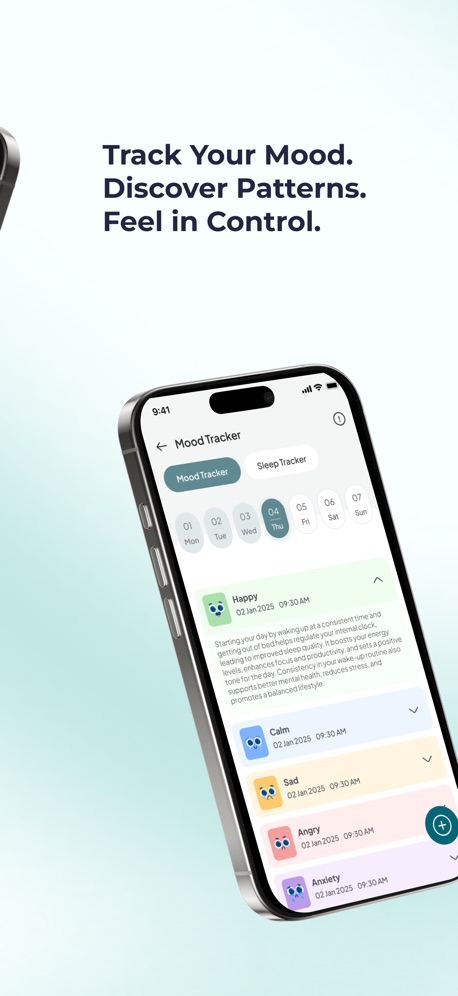
- Mood and sleep tracker: spot early warning signs before burnout builds
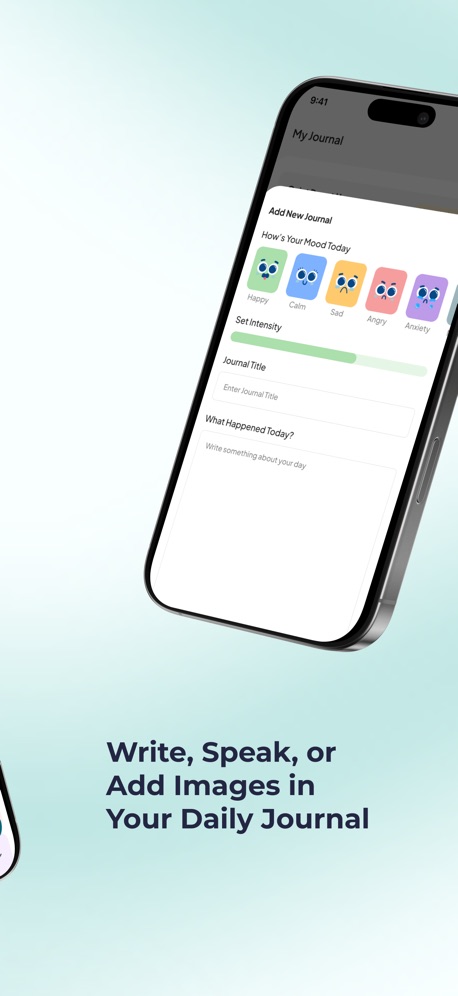
- Journal: write, record a voice note or add images when typing is too much
- Reports to share with your doctor or therapist
Recover one small step at a time
Try Soothfy free for 7 days: 2-minute relief and a plan that adapts to your energy.
Free to download · 7-day free trial · soothfy.com


When to Get Professional Help
See a doctor or mental health professional if exhaustion lasts more than a few weeks, low mood lasts more than two weeks, you can't manage work or daily life, or you're using alcohol or other substances to cope. If you're in crisis or thinking about harming yourself, please reach out to a person right now. In the U.S., call or text 988. In the UK, call Samaritans on 116 123. In Australia, call Lifeline on 13 11 14. Elsewhere, contact your local emergency number.
ADHD Burnout by the Numbers
| Finding | Figure | Source |
|---|---|---|
| U.S. adults with a current ADHD diagnosis (2023) | 6.0%, about 15.5 million | CDC MMWR, 2024 |
| Of those, diagnosed in adulthood | 55.9% | CDC MMWR, 2024 |
| Stimulant users who had trouble filling a prescription because of shortages | 71.5% | CDC MMWR, 2024 |
| Adults with ADHD who screened positive for any sleep disorder | About 60% (study of 3,691 adults) | Journal of Attention Disorders, 2024 |
| Employees with ADHD vs without | More job burnout, explained largely by executive function difficulties | AIMS Public Health, 2024 |
The 2024 workplace study is worth a closer look. Researchers surveyed 171 employees and found that those with ADHD reported more burnout. The link ran through executive function: difficulty managing time was tied to physical fatigue, and difficulty with self-organization and problem-solving was tied to emotional exhaustion and mental weariness. In other words, burnout wasn't about caring less or working less. It came from the extra effort of organizing work with an ADHD brain.
The CDC figures matter too. More than half of U.S. adults with ADHD were diagnosed as adults, which means many spent years compensating without knowing why things felt so hard, a classic setup for burnout. And with widespread stimulant shortages reported, many people have also had their treatment disrupted.
ADHD Burnout at Work: Adjustments to Ask For
Work is one of the biggest sources of ADHD burnout, and small changes can make a large difference. Depending on where you live, you may have a legal right to reasonable adjustments. Ideas that help many people:
- Meeting-free blocks for focused work
- Written follow-ups after meetings and verbal instructions
- Noise-cancelling headphones or a quieter desk
- Flexible start times if your sleep is irregular
- Breaking big projects into smaller deadlines with check-ins
- Permission to work from home on high-focus days
- A short daily or weekly priorities check-in with your manager
If you're unsure how to raise it, you could say: "I work best when I have written priorities and a couple of uninterrupted blocks each day. Could we try that for a month and review?" You don't have to share your diagnosis to ask for practical changes, though in some countries it helps legally.
What Recovery Usually Looks Like
| Stage | What it feels like | What helps most |
|---|---|---|
| Weeks 1–2 | Still exhausted; rest feels strange or guilty | Cut demands, sleep, gentle movement, no big goals |
| Weeks 3–6 | Some good days return; energy is uneven | 2-minute habits on anchors, short walks, one social plan a week |
| Weeks 6+ | More stable; interest slowly returns | Rebuild routines slowly, keep the warning-sign check |
Recovery is rarely a straight line. Expect setbacks, especially after a busy week. Treat a bad day as information about your limits, not proof that you've failed.
Burnout in Late-Diagnosed Adults and Women
Many adults, especially women, are diagnosed later because their symptoms looked like anxiety, depression or "just being disorganized". Years of masking without support can make burnout the event that finally leads to a diagnosis. If that's you, be patient with yourself: you're learning, often for the first time, how your brain actually works. Our guide to ADHD symptoms in women explains why it's often missed.
Early Warning Signs to Track
The best way to prevent the next burnout is to notice the build-up early. Pick two or three signals and check them weekly: hours of sleep, mood, how hard it is to start simple tasks, and how many evenings you spent catching up. When two or more get worse for a week, scale back before you crash. Soothfy's mood and sleep tracker shows these trends at a glance.
Quick Self-Check: Am I Heading for ADHD Burnout?
Answer yes or no for the last two weeks. This isn't a diagnosis, just a prompt to notice what's happening.
- Do I feel tired even after a full night's sleep or a weekend off?
- Are tasks I normally manage now taking much more effort?
- Am I forgetting more than usual?
- Have I lost interest in things I usually enjoy?
- Am I more irritable or tearful than normal?
- Am I avoiding friends or messages because socialising feels like work?
- Am I sleeping badly most nights?
- Am I relying on caffeine, sugar, alcohol or scrolling to get through the day?
If you answered yes to four or more, take it as a sign to reduce demands now and talk to someone you trust. If you answered yes to questions about losing interest and low mood for more than two weeks, please also speak to a doctor, as this can be a sign of depression.
Recovery Myths
- "A holiday will fix it." Rest helps, but if the same overload is waiting when you return, burnout comes back. Changing the load matters as much as the break.
- "I just need more discipline." Burnout comes from running out of capacity. More pressure usually makes it worse.
- "Everyone feels like this." Everyone gets tired. Persistent exhaustion, task paralysis and losing interest are worth taking seriously.
- "I should be fully recovered in a week." Recovery often takes weeks to months. Slow progress is still progress.
Key takeaways
- ADHD burnout is deep exhaustion from long-term overload: masking, catch-up, emotional intensity and poor sleep.
- A 2024 study found employees with ADHD report more job burnout, driven by executive function difficulties.
- Recovery starts by cutting demands and protecting sleep, then rebuilding with 2-minute habits.
- Track early warning signs so you can scale back before the next crash.
- Soothfy supports recovery with a plan that adapts to your energy and 2-minute CBT relief.
Final Thoughts
ADHD burnout isn't a character flaw. It's the result of a brain that's been working harder than anyone could see. Recovery is less about doing more and more about doing less, more gently, with support. Start with one small step today.
More guides: ADHD Brain Fog, 7 Things People With ADHD Do When Overwhelmed, How to Break ADHD Task Paralysis, Tiimo Alternatives and Best ADHD Apps for Adults.
About Soothfy (who wrote this)
This guide is written by the team behind Soothfy, a mental health app for ADHD, anxiety, depression, stress, insomnia, OCD, PTSD, panic attacks and addictive habits. Soothfy is our product, so we say where another app is the better pick. Download Soothfy on the App Store or Google Play.
ADHD Burnout: FAQs (2026)
1. What is ADHD burnout?
ADHD burnout is a state of deep mental, emotional and physical exhaustion that builds when someone with ADHD spends a long time compensating for executive function challenges, masking symptoms, managing strong emotions and running on poor sleep. It isn't a formal diagnosis, but it's a widely reported experience.
2. How long does ADHD burnout last?
It varies. Mild burnout can ease within a few weeks of rest and reduced demands. Longer burnout, especially with depression or anxiety, can last months and usually needs support from a doctor or therapist.
3. How is ADHD burnout different from depression?
They overlap. Burnout is usually tied to overload and often improves with rest and fewer demands. Depression involves persistent low mood or loss of interest that doesn't lift with rest. If low mood lasts more than two weeks, or you feel hopeless, talk to a doctor.
4. What causes ADHD burnout?
Common causes include masking ADHD to fit in, constant catch-up after missed deadlines, saying yes to too much, poor sleep, hyperfocus followed by crashes, emotional dysregulation and untreated or under-treated ADHD.
5. What are the first signs of ADHD burnout?
Early signs include needing more effort for tasks that used to feel manageable, more forgetfulness, irritability, losing interest in hobbies, sleeping badly and feeling tired even after rest.
6. How do I recover from ADHD burnout?
Reduce demands first, protect sleep, swap big goals for 2-minute actions, stop masking where it's safe, move your body gently and get support. Soothfy builds this into a personalized plan of 2- to 5-minute activities that adapts to your energy. Learn more at soothfy.com.
7. Can ADHD burnout cause physical symptoms?
Yes. Many people report headaches, muscle tension, stomach problems, getting ill more often and constant fatigue. See a doctor to rule out other causes.
8. Should I take time off work for ADHD burnout?
If you can, even a few days of reduced demands can help. Talk to your doctor about time off if needed, and consider asking your employer about reasonable adjustments for ADHD.
9. Can an app help with ADHD burnout?
An app can't remove the cause, but it can make recovery easier. Soothfy gives you 2-minute CBT relief for overwhelm, a plan that adapts to low-energy days and mood and sleep tracking so you can spot early warning signs. Download it on the App Store or Google Play.
10. How do I stop ADHD burnout coming back?
Track your energy and sleep, plan for your real capacity rather than your best day, build rest into your week, and treat early warning signs as a signal to scale back rather than push harder.
Try Soothfy free for 7 days
Mood and sleep tracking, 2-minute CBT relief and Anchor Habits in one app.
Free to download · 7-day free trial · soothfy.com
This article is for information only and is not medical advice. Prices and features change often; check each app store listing before you buy. Last updated November 2, 2026. Soothfy: soothfy.com
Sources
- CDC MMWR (2024): ADHD diagnosis, treatment and telehealth use in adults, 2023
- Journal of Attention Disorders (2024): Sleep problems in adults with ADHD
- AIMS Public Health (2024): Executive function deficits mediate the relationship between employees' ADHD and job burnout
- NIMH: ADHD, What You Need to Know