ADHD Dopamine Menu: How to Build One That Works (+40 Ideas) in 2026
By Soothfy Team ·
What is a dopamine menu? Learn how to build one for ADHD in 15 minutes, with 40 ideas for starters, mains, sides and desserts.
It's 3 p.m. You have things to do, but your brain feels like it's running on empty. You pick up your phone "for a minute" and an hour later you feel even worse.
A dopamine menu is a simple fix for that moment. Instead of grabbing whatever is easiest, you choose from a list you wrote earlier of things that genuinely make you feel better. Here's how it works and how to build one that you'll actually use.
Quick answer: what is a dopamine menu?
A dopamine menu is a personal list of activities that lift your energy, mood or focus, grouped like a menu by how long they take: starters (2–5 minutes), mains (longer), sides (to pair with boring tasks) and desserts (fun but easy to overdo). People with ADHD use it to skip the decision-making when motivation is low.
Soothfy pairs well with a dopamine menu: Anchor Habits make small mood-lifters automatic and Instant Relief helps when you're stuck. Download it on the App Store or Google Play.
Why People With ADHD Use Dopamine Menus
ADHD is linked to differences in how the brain's reward system works, which can make boring tasks feel harder to start and quick rewards, like scrolling, more tempting. When energy is low, deciding what would help is itself hard, so most people default to the nearest screen.
A dopamine menu moves that decision to a better moment. You make the list when you're thinking clearly, then on a flat afternoon you only have to pick. It's a small change, but removing the decision is often what makes the difference.
The idea was popularised by ADHD educator Jessica McCabe and is similar to a well-studied technique called behavioral activation, which uses planned, rewarding activities to lift mood.
The Four Sections of a Dopamine Menu
| Section | What it is | Examples |
|---|---|---|
| Starters | Quick 2–5 minute boosts | Play one song loud, splash cold water on your face, stretch, step outside, a 2-minute breathing exercise |
| Mains | Longer, more satisfying activities | A 20-minute walk, cooking something new, a hobby, calling a friend, the gym |
| Sides | Things that make boring tasks better | A podcast while cleaning, music while doing admin, working in a café, body doubling |
| Desserts | Fun but easy to overdo | Social media, YouTube, games, shopping apps (with a timer) |
| Specials (optional) | Bigger treats for special days | A day trip, a concert, a new book |
How to Build Your Dopamine Menu in 15 Minutes
- Brainstorm. Write down everything that has ever made you feel even slightly better: activities, places, people, sounds, foods, movement.
- Check how you feel afterwards. Keep things that leave you better off, not just distracted. If something usually leaves you feeling worse, move it to desserts or drop it.
- Sort by time. Put each item in starters, mains, sides or desserts.
- Keep it short. Pick 3 to 5 favorites per section.
- Make it visible. Put it on your lock screen, fridge or desk.
- Use it once today. Try one starter now so it feels real.
40 Dopamine Menu Ideas
Starters (2–5 minutes)
- Dance to one song
- Cold water on your face or wrists
- Step outside and look at the sky
- 10 jumping jacks
- Make a cup of tea
- Pet your dog or cat
- Smell something you love
- Text a friend a meme
- 2-minute box breathing
- Stretch your neck and shoulders
Mains (15–60 minutes)
- Walk without your phone
- Cook a favorite meal
- Play an instrument
- Draw, paint or craft
- Garden or repot a plant
- Go to the gym or a class
- Call someone you love
- Read a few chapters
- Do a puzzle
- Take a long shower with music
Sides (pair with boring tasks)
- Podcast while cleaning
- Playlist for admin
- Body doubling with a friend or online
- Working in a café or library
- A favorite drink while doing emails
- Timer races: how much can I do in 10 minutes?
- Fidget toy during calls
- Standing desk or walking while on the phone
- Audiobook while folding laundry
- Treat after finishing (small, planned)
Desserts (set a timer)
- Social media
- YouTube or TikTok
- Mobile games
- Online shopping browsing
- TV episodes
- Group chats
- News
- Video calls with no plan
- Checking stats or likes
Tips to Make Your Menu Work
- Start with a starter. When stuck before a hard task, a 2-minute starter can be enough to get moving.
- Desserts aren't banned. They just come with a limit, like a 15-minute timer.
- Refresh it monthly. ADHD brains love novelty, so swap items when they stop working.
- Attach it to an anchor. "After lunch, I pick one starter." Tying it to an existing routine helps it stick.
- Track what helps. Note your mood before and after for a week to see what really works for you.
Using a Dopamine Menu With Soothfy
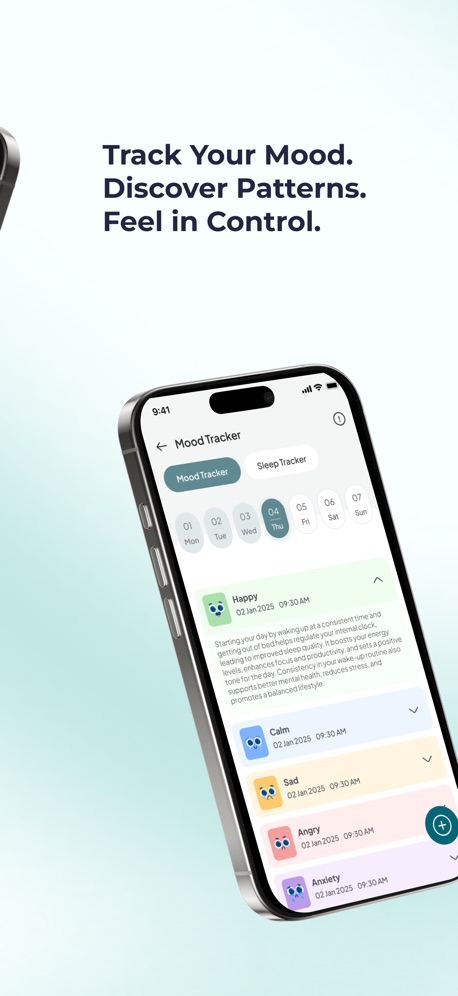
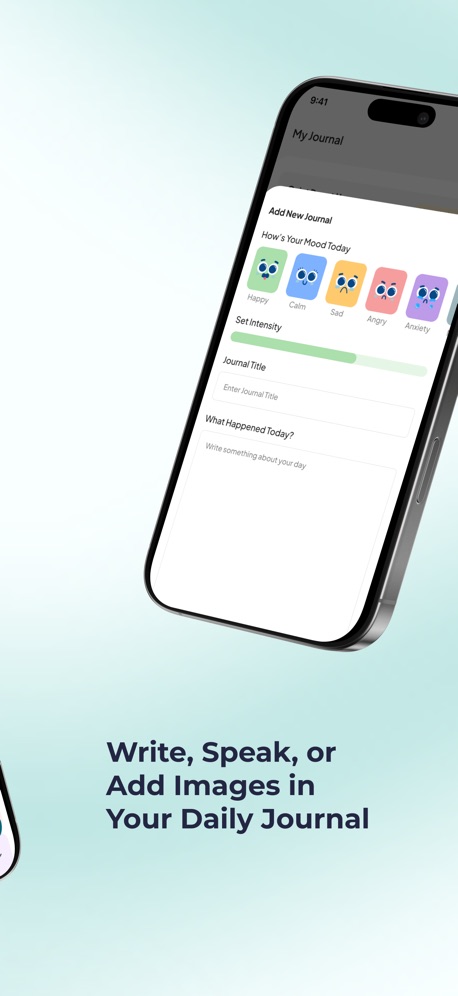
Soothfy turns the best parts of a dopamine menu into a daily plan. After a 2-minute check-in, it builds a personalized 30-day plan of short 2- to 5-minute activities, many of them mood-lifting, and ties them to Anchor Habits so they happen without a decision. When you're stuck, Instant Relief gives you 3 CBT exercises for your exact symptom with a 2-minute timer, and the mood and sleep tracker shows which activities actually help.

Try Soothfy free for 7 days
Small mood-lifting habits, 2-minute CBT relief and mood tracking in one app.
Free to download · 7-day free trial · soothfy.com


When a Dopamine Menu Isn't Enough
If nothing on your list lifts your mood for weeks, or you feel hopeless, that may be depression rather than low motivation, and it deserves proper support. Talk to a doctor. In a crisis in the U.S., call or text 988; in the UK, call Samaritans on 116 123.
What the Research Says
There's little research on "dopamine menus" by that name. The idea comes from ADHD coaching, not from a clinical trial. But it closely matches a well-studied approach called behavioral activation: deliberately planning rewarding and meaningful activities, especially when mood or motivation is low. Meta-analyses have found behavioral activation to be an effective treatment for depression (Ekers et al., 2014), with benefits for anxiety as well (Stein et al., Psychological Medicine).
A dopamine menu is not a treatment, and it won't replace therapy or medication. But the core idea, making it easier to choose a helpful activity when you feel flat, has good support behind it.
Is "Dopamine" the Right Word?
Not exactly. Dopamine is involved in motivation and reward, and research has linked ADHD to differences in the brain's reward system. But no list of activities can "top up" dopamine in a precise way, and you don't need the neuroscience for the menu to work. Think of it as a menu of things that reliably make you feel a bit better, more awake or more able to start. The name is catchy; the method is simply good planning for low moments.
Sample Dopamine Menus
For a remote worker
| Section | Options |
|---|---|
| Starters | Stand at the window for 2 minutes · one loud song · cold glass of water · 10 squats |
| Mains | Lunchtime walk · cook a proper lunch · 20-minute bike ride |
| Sides | Lo-fi playlist for email · body doubling call · work from a café on Fridays |
| Desserts | YouTube with a 15-minute timer · group chat after 5 p.m. |
For a student
| Section | Options |
|---|---|
| Starters | Splash face with water · stretch · text a friend a meme · 2-minute tidy of desk |
| Mains | Gym or sports · library session with a friend · cooking with flatmates |
| Sides | Study playlist · Pomodoro timer · snacks for revision |
| Desserts | Games after a study block · TikTok with a timer |
For a parent
| Section | Options |
|---|---|
| Starters | Coffee outside · one song in the car · 2-minute breathing while the kettle boils |
| Mains | Walk with the pram or the kids · a hobby after bedtime · call a friend |
| Sides | Podcast while cooking · music while tidying |
| Desserts | Phone time after the kids are asleep, with a cut-off |
Low-Energy Days vs Restless Days
Many people find they need two kinds of starters. On low-energy days, choose gentle activating options: sunlight, a cold drink, a favorite song, standing up and stretching. On restless or anxious days, choose calming options: slow breathing, a walk, a warm drink, a weighted blanket. Mark each starter with which kind of day it suits, so you can pick faster.
Common Dopamine Menu Mistakes
- Making it too long. Twenty starters is a decision in itself. Keep three to five.
- Only adding screen-based items. They're easy but rarely leave you feeling better.
- Banning desserts. Strict rules backfire. Use timers instead.
- Hiding it. If it lives in a notes app you never open, it won't help.
- Never updating it. What worked last month may feel stale now.
- Using it to avoid everything. The menu helps you get going, not replace the task.
How to Pair the Menu With Your To-Do List
A simple rule works well: one starter, then the first tiny step. Before a task you've been avoiding, pick a 2-minute starter, then do only the first small step of the task, like opening the document or writing one sentence. Many people find momentum takes over from there. If you're still stuck, how to break ADHD task paralysis has more ideas, and Soothfy's Instant Relief can calm the overwhelm first.
Dopamine Menu vs "Dopamine Detox"
You may have seen "dopamine detox" trends that tell you to cut out all stimulation for a day. A dopamine menu takes the opposite approach. Instead of removing everything enjoyable, it helps you choose better rewards on purpose. For many people with ADHD, a strict detox is hard to stick to and often ends in a rebound. A menu is gentler and easier to keep up, because it adds options rather than banning them.
| Dopamine menu | Dopamine detox | |
|---|---|---|
| Approach | Plan helpful rewards in advance | Avoid stimulation for a period |
| Evidence | Builds on behavioral activation research | Little scientific support for the idea |
| ADHD-friendly? | Yes: few decisions, flexible | Often hard to sustain |
| Best for | Low motivation and boredom | Not recommended as a fix for ADHD |
A Fill-In Dopamine Menu Template
| Section | My options (3–5) | When I'll use it |
|---|---|---|
| Starters (2–5 min) | 1. ___ 2. ___ 3. ___ | Before a hard task, after lunch, when I feel flat |
| Mains (15–60 min) | 1. ___ 2. ___ 3. ___ | Evenings and weekends |
| Sides | 1. ___ 2. ___ 3. ___ | During boring tasks |
| Desserts (with a timer) | 1. ___ 2. ___ | After finishing a block of work |
| Specials | 1. ___ | Once a month |
Copy this into your notes app or print it and stick it somewhere you'll see it.
Track What Actually Helps
For one week, rate your mood or energy from 1 to 5 before and after each menu item. By the end you'll know which starters genuinely lift you and which just pass the time. Keep the winners, swap the rest. Soothfy's mood tracker makes this quick, and you can download reports to share with a therapist.
Using a Dopamine Menu With a Partner or Family
Share your menu with the people you live with. When they notice you're stuck, they can suggest something from it rather than offering advice. Some couples make a shared menu of activities they enjoy together, which is a simple way to plan more good time without extra decisions.
Starter Ideas by Sense
If you're stuck for ideas, think through your senses. ADHD brains often respond strongly to sensory input, so a quick change in what you see, hear, feel, smell or taste can shift your state.
| Sense | Quick starters |
|---|---|
| Sight | Step outside, open the curtains, look at photos you love |
| Sound | One favorite song, a podcast clip, nature sounds |
| Touch | Cold water, a fidget, a warm mug, a soft blanket |
| Smell | Coffee, citrus, a candle, fresh air |
| Taste | Mint, a crunchy snack, a cold drink |
| Movement | Jumping jacks, a quick dance, stretching, stairs |
Key takeaways
- A dopamine menu is a short list of activities that lift your energy or mood, sorted by time and effort.
- Sections: starters (2–5 min), mains (longer), sides (with boring tasks), desserts (with limits).
- It builds on behavioral activation, a well-studied approach for low mood.
- Keep it short, visible and updated monthly; track what actually helps.
- Soothfy turns small mood-lifting activities into Anchor Habits and adds 2-minute CBT relief.
Final Thoughts
A dopamine menu won't fix ADHD, but it gives your future self an easier choice on hard days. Spend 15 minutes building yours today, keep it short and visible, and pick one starter right now.
More guides: ADHD Burnout, ADHD Waiting Mode, ADHD and Procrastination, ADHD Brain Fog and Routine to Improve Focus.
About Soothfy (who wrote this)
This guide is written by the team behind Soothfy, a mental health app for ADHD, anxiety, depression, stress, insomnia, OCD, PTSD, panic attacks and addictive habits. Soothfy is our product, so we say where another app is the better pick. Download Soothfy on the App Store or Google Play.
ADHD Dopamine Menu: FAQs (2026)
1. What is a dopamine menu?
A dopamine menu is a personal list of activities that reliably lift your energy, mood or focus, grouped like a restaurant menu by how much time and effort they take. When motivation drops, you choose from the list instead of defaulting to scrolling.
2. Who created the dopamine menu idea?
The idea was popularised by ADHD coach Jessica McCabe of How to ADHD and spread widely on social media. It isn't a clinical treatment, but it builds on well-known strategies like planning rewarding activities in advance.
3. Does a dopamine menu actually work for ADHD?
Many people with ADHD find it helpful because it removes the decision-making when energy is low. There's little direct research on dopamine menus themselves, but planning pleasant activities is a core part of behavioral activation, a well-studied approach for low mood.
4. What goes on a dopamine menu?
Starters are 2- to 5-minute boosts like a song, stretching or cold water on your face. Mains are longer activities like a walk, cooking or a hobby. Sides pair with boring tasks, like music while cleaning. Desserts are fun but easy to overdo, like social media or games, and they get limits.
5. How many items should a dopamine menu have?
Start with about 3 to 5 items per section. A short menu is easier to use than a long one.
6. Where should I keep my dopamine menu?
Somewhere you'll see it when you're stuck: your phone's lock screen, a note on the fridge or your desk. If you have to look for it, you probably won't use it.
7. Is scrolling social media bad for ADHD?
Not always, but it's easy to lose an hour to it and feel worse afterwards. On a dopamine menu it usually belongs under desserts, with a timer or a set limit.
8. Can a dopamine menu help with depression?
It can support you on low days, because doing small rewarding activities can lift mood. If low mood lasts more than two weeks or you feel hopeless, talk to a doctor. In the U.S., call or text 988 in a crisis.
9. How is a dopamine menu different from a to-do list?
A to-do list is what you need to do. A dopamine menu is what helps you feel able to do it. Many people use a starter from the menu right before a hard task.
10. Is there an app for a dopamine menu?
You can keep one in any notes app. Soothfy works well alongside it: its Anchor Habits tie small mood-lifting activities to routines you already have, and Instant Relief gives you 2-minute CBT exercises when you're stuck. Get it on the App Store or Google Play.
This article is for information only and is not medical advice. Prices and features change often; check each app store listing before you buy. Last updated November 3, 2026. Soothfy: soothfy.com
Sources
- Ekers et al. (2014): Behavioural activation for depression, an update of meta-analysis of effectiveness and sub-group analysis
- Stein et al. (Psychological Medicine): Looking beyond depression, a meta-analysis of behavioral activation on depression, anxiety and activation
- NIMH: ADHD, What You Need to Know
- CDC MMWR (2024): ADHD in adults, United States, 2023