ADHD Waiting Mode: Why One Appointment Ruins Your Day and 9 Ways to Fix It (2026)
By Soothfy Team ·
Can't do anything before an appointment? Learn what ADHD waiting mode is, why it happens and 9 practical ways to get your day back in 2026.
Your dentist appointment is at 3 p.m. It's 9 a.m. You have six free hours and a list of things you could get done. Then you look up and it's 2:15. You've checked the clock dozens of times, opened emails without answering any and finished nothing.
If this happens to you, you're not lazy and you're not alone. People with ADHD call it waiting mode, and once you understand why it happens, you can work around it.
Quick answer: what is ADHD waiting mode?
ADHD waiting mode is the stuck feeling before an appointment or task, where you can't start anything else because your brain stays on alert so you don't miss it. It isn't a formal diagnosis, but it's very common with ADHD and linked to time blindness, executive function and anxiety. The fix is to hand the remembering to tools, plan short blocks, choose easy-to-stop tasks and calm the alertness.
Soothfy helps with Anchor Habits, 2-minute CBT relief for anxious waiting and mood and sleep tracking. Get it on the App Store or Google Play.
What Is ADHD Waiting Mode?
Waiting mode is when an upcoming event takes over the time before it. It might be a doctor's appointment, a video call, a delivery, a friend picking you up or a meeting at 4 p.m. Until it happens, everything else feels on hold.
From the outside it looks like wasted time. From the inside it feels like your brain is guarding the appointment. It doesn't trust that you'll remember, so it keeps checking, and that leaves little focus for anything else.
Signs You're in Waiting Mode
- You check the time far more than you need to
- You can't start a task because "there isn't enough time", even with hours left
- You start small tasks but abandon them
- You feel restless, tense or on edge
- The appointment ends and you suddenly have energy again
- A single evening plan affects your whole day
Why Waiting Mode Happens With ADHD
Time blindness
Many people with ADHD find it hard to sense how much time has passed or how long tasks take. If you can't trust your sense of time, checking the clock feels safer than getting absorbed in something. Read more in What Is Time Blindness?.
Fear of hyperfocus
You know that if you get into something interesting you might lose track of time completely. So your brain avoids starting anything engaging, which leaves you doing nothing much.
Working memory load
Holding "don't forget the 3 p.m. thing" in mind takes working memory, the mental space you'd use to plan and start tasks.
Anxiety
Past experiences of being late or missing things can turn every appointment into a low-level threat. That keeps your stress response running all morning. See why anxiety feels different with ADHD.
9 Ways to Get Out of ADHD Waiting Mode
1. Set two alarms, not one
One alarm to start getting ready and one to leave. Once the phone is responsible for the time, your brain can let go a little. Label them clearly, like "Dentist: put shoes on".
2. Plan fixed blocks before the event
Instead of "I have five hours", plan "9:00 to 10:30 emails, 10:30 to 12:00 report". Short, defined blocks with an end time feel safer to start.
3. Pick tasks that are easy to stop
Save deep, absorbing work for days without appointments. Before an appointment, choose tasks you can pause anytime: tidying, admin, laundry, replying to messages.
4. Use a visible countdown
A visual timer or countdown widget makes time concrete, so you don't need to keep checking. Visual planners like Tiimo or Structured can help; see our Tiimo alternatives guide.
5. Get ready early, then do something
Pack your bag and lay out what you need first thing. With preparation done, there's less to guard.
6. Calm the alert feeling
Waiting mode often comes with a buzzing, on-edge feeling. A 2-minute breathing exercise or grounding exercise can bring it down. In Soothfy, tap Instant Relief, pick your symptom and get 3 CBT exercises with a 2-minute timer.


7. Use an Anchor Habit
Tie a short action to something you already do: "After I set my appointment alarms, I start one 25-minute block." Anchors make starting automatic instead of a decision.
8. Cluster appointments
When you can, book appointments together, early in the day, or at the end of a work block. One appointment in the middle of the day is the hardest pattern for most ADHD brains.
9. Be kind about the lost time
Some waiting days will still happen. Beating yourself up adds shame, which makes the next one worse. Note what helped, and try one different strategy next time.
Waiting Mode vs Procrastination
| Waiting mode | Procrastination | |
|---|---|---|
| Trigger | An upcoming event | A task you don't want to do |
| Feeling | On alert, restless | Avoidance, dread or boredom |
| Ends when | The event has happened | You start, or the deadline forces you |
| Best fixes | Alarms, blocks, easy-to-stop tasks | Tiny first steps, body doubling, calming anxiety |
For procrastination, see our guide to ADHD and procrastination.
How Soothfy Helps
Soothfy is a mental health app built for ADHD brains. A 2-minute check-in sets your goals and builds a personalized 30-day plan of 2- to 5-minute activities tied to Anchor Habits. When anxious waiting kicks in, Instant Relief gives you 3 CBT exercises for your exact symptom with a 2-minute timer, and the mood and sleep tracker helps you see which days and patterns make waiting mode worse.
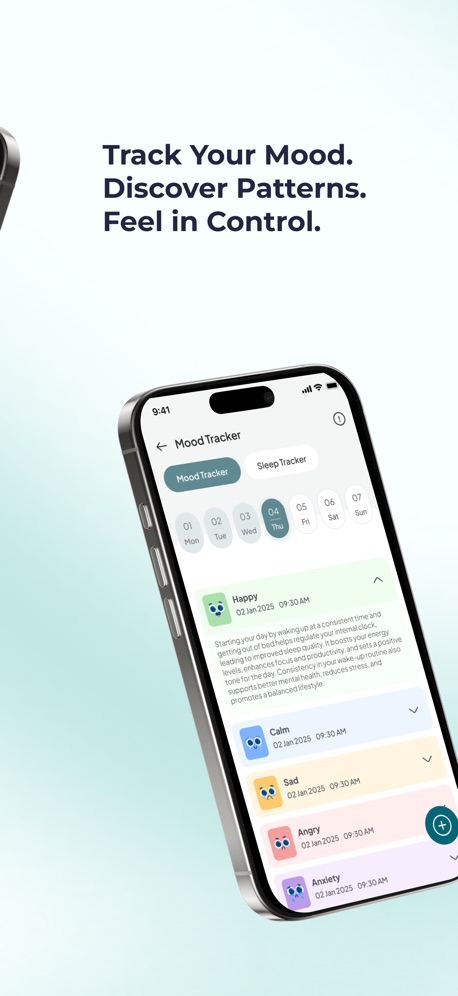

Try Soothfy free for 7 days
2-minute CBT relief, Anchor Habits and mood and sleep tracking.
Free to download · 7-day free trial · soothfy.com


What the Research Says
"Waiting mode" isn't a term you'll find in research papers. It's a name the ADHD community gave to a pattern many people recognised in themselves. But the pieces behind it are well documented. The National Institute of Mental Health lists trouble with time management, organisation and forgetfulness among common ADHD symptoms in adults, and difficulty estimating time is widely reported by people with ADHD.
ADHD is also common and often diagnosed late. In 2023, about 6% of U.S. adults, roughly 15.5 million people, had a current ADHD diagnosis, and more than half of them were diagnosed as adults (CDC, 2024). Many have spent years assuming waiting mode was a personal failing rather than a symptom with practical fixes.
A Sample Plan for a Day With a 3 p.m. Appointment
| Time | Plan | Why it helps |
|---|---|---|
| 9:00 | Set two alarms: 2:15 get ready, 2:30 leave | The phone holds the time, not your brain |
| 9:05 | Pack your bag and put it by the door | Nothing left to guard later |
| 9:15–10:30 | Block 1: email and admin | Easy to stop, clear end time |
| 10:30 | Short break and a snack | Prevents the slump that feeds waiting |
| 10:45–12:00 | Block 2: one focused task | Done well before the appointment |
| 12:00–13:00 | Lunch and a walk | Movement eases restless alertness |
| 13:00–14:15 | Block 3: low-stakes tasks (laundry, tidying) | Stoppable at any moment |
| 14:15 | Alarm: get ready | No clock-checking needed |
The point isn't to fill every minute. It's to turn one huge, scary stretch of time into a few short blocks that each have a clear end.
Waiting Mode at Work
Waiting mode isn't only about doctor's appointments. A 4 p.m. meeting can freeze an entire afternoon at work. A few ideas:
- Ask for meetings to be grouped on certain days or times
- Block 'focus time' in your calendar so meetings don't land in the middle of the day
- Set a calendar alert 10 minutes before every meeting, so you can work until it rings
- Keep a list of 15-minute tasks for the gaps between meetings
- Prepare for the meeting early, then put the notes away
If meetings scattered through the day are seriously hurting your work, clustered meetings are a reasonable adjustment to ask for.
Waiting Mode for Students
Students often lose whole days before an exam or a class in the afternoon. Try revising in short timed sessions in the morning, packing your bag the night before, and setting a "leave now" alarm. On exam days, choose light, familiar review rather than trying to learn something new. See our best ADHD apps for students for timers and planners that help.
When Waiting Mode Is Mostly Anxiety
For some people, the main driver isn't time blindness but worry: about being late, about the appointment itself, or about what others will think. If your waiting mode comes with a racing heart, stomach knots or catastrophic thoughts, treat the anxiety directly. Slow breathing (longer out-breaths than in-breaths), naming five things you can see, or writing the worry down and setting it aside can help. Why Anxiety Feels Different With ADHD goes deeper, and Soothfy's Instant Relief gives you 3 CBT exercises for your exact symptom with a 2-minute timer.
Mistakes That Make Waiting Mode Worse
- Relying on memory instead of alarms
- Starting deep, absorbing work right before you need to leave
- Scheduling one appointment in the middle of the day when you could cluster it
- Scrolling while you wait, which makes time disappear faster than you expect
- Treating a lost day as a failure instead of information for next time
Three Real-Life Waiting Mode Scenarios
The evening plan
Sam has dinner with friends at 7 p.m. All afternoon she can't settle, and by 6 she's frustrated that she "wasted" the day. What helps: a 6:15 "get ready" alarm, a clear 2–5 p.m. task block with an end time, and choosing laundry and tidying instead of starting her creative project.
The delivery window
Arjun is waiting for a parcel "between 8 a.m. and 6 p.m.". He can't leave and can't focus. What helps: turning on delivery notifications so the phone does the watching, working in 45-minute blocks with headphones off, and asking a neighbor to take it in if he needs to go out.
The afternoon meeting
Lena has an important call at 3 p.m. Her morning disappears into preparing, re-preparing and checking the time. What helps: preparing once, early, then putting the notes away; setting a 2:50 alarm; and scheduling deep work for days without calls.
Tools That Help With Waiting Mode
| Tool | How it helps |
|---|---|
| Phone alarms with labels | Hold the time so your brain doesn't have to |
| Visual timer or countdown widget | Makes the remaining time visible |
| Visual planner (Tiimo, Structured) | Shows your day in blocks with clear ends |
| Delivery and calendar notifications | Watch for events on your behalf |
| Soothfy | Anchor Habits to start blocks automatically, 2-minute CBT relief for anxious waiting, mood and sleep tracking to spot patterns |
For more on planners, see our Tiimo alternatives and Soothfy vs Tiimo guides.
How to Explain Waiting Mode to Others
Partners, family and managers sometimes see waiting mode as procrastination or laziness. A simple explanation helps: "When I have something coming up later, my brain stays on alert so I don't miss it, which makes it hard to start other things. Setting alarms and planning short blocks helps me." Then ask for what you need, like grouping plans on the same day or getting a reminder text before you have to leave.
Your Waiting Mode Checklist
- Two alarms set: get ready and leave
- Bag packed and by the door
- Time before the event split into short blocks with end times
- Easy-to-stop tasks chosen for the last block
- A 2-minute calming exercise ready if the alert feeling builds
- Appointments clustered where possible next time
Key takeaways
- ADHD waiting mode is when an upcoming event makes it hard to start anything beforehand.
- It's linked to time blindness, working memory and anxiety, not laziness.
- Let alarms hold the time, plan short blocks and pick tasks that are easy to stop.
- Cluster appointments and calm the on-edge feeling with a 2-minute exercise.
- Soothfy helps with Anchor Habits, 2-minute CBT relief and mood and sleep tracking.
Final Thoughts
Waiting mode isn't a lack of willpower. It's a predictable result of how ADHD brains handle time and memory. Give the remembering to your phone, plan short blocks, choose easy-to-stop tasks and calm the alert feeling, and the hours before an appointment can start to feel usable again.
More guides: ADHD Burnout, How to Break ADHD Task Paralysis, Why Your ADHD Brain Refuses to Start Tasks, Soothfy vs Tiimo and ADHD Daily Routine.
About Soothfy (who wrote this)
This guide is written by the team behind Soothfy, a mental health app for ADHD, anxiety, depression, stress, insomnia, OCD, PTSD, panic attacks and addictive habits. Soothfy is our product, so we say where another app is the better pick. Download Soothfy on the App Store or Google Play.
ADHD Waiting Mode: FAQs (2026)
1. What is ADHD waiting mode?
ADHD waiting mode is when an upcoming appointment or task, even hours away, makes it hard to do anything else beforehand. Your brain stays on alert so you don't miss it, and the free time before it feels unusable.
2. Is ADHD waiting mode a real thing?
It isn't a formal diagnosis or a term in the DSM-5. It's a name that people with ADHD use for a very common experience, and it's linked to time blindness, executive function differences and anxiety about forgetting.
3. Why does one appointment ruin my whole day?
With ADHD it can be hard to trust that you'll remember or leave on time. Your brain keeps checking the clock instead, which uses the focus you'd need to start other tasks.
4. How do I get out of waiting mode?
Hand the remembering to a tool (two alarms: one to get ready, one to leave), plan short fixed blocks before the appointment, pick low-stakes tasks that are easy to stop, and calm the anxious alertness with a 2-minute breathing exercise.
5. Is waiting mode the same as procrastination?
No. Procrastination is avoiding a task. Waiting mode is being stuck because something else is coming up. They can overlap, but the cause and fixes differ.
6. Does anxiety make waiting mode worse?
Yes. Fear of being late or forgetting keeps your stress response switched on. Soothfy's Instant Relief gives you 3 CBT exercises for your exact symptom with a 2-minute timer to bring that down.
7. Can medication help with waiting mode?
Some people find ADHD treatment makes waiting mode easier because it supports focus and time management. Talk to your doctor about your symptoms rather than changing anything on your own.
8. How should I schedule my day to avoid waiting mode?
Group appointments together, put them early in the day or at the end of a work block, and leave buffer time around them. A day with one appointment in the middle is the hardest for most people with ADHD.
9. Which apps help with ADHD waiting mode?
A reminder or visual planner app helps you trust the time, and a support app helps with the anxiety. Soothfy gives you Anchor Habits, 2-minute CBT relief and mood and sleep tracking. Download it on the App Store or Google Play.
10. Should I tell my employer about waiting mode?
You don't have to, but if meetings scattered through the day hurt your productivity, asking for clustered meetings or meeting-free blocks is a reasonable adjustment.
This article is for information only and is not medical advice. Prices and features change often; check each app store listing before you buy. Last updated November 2, 2026. Soothfy: soothfy.com