The ADHD Tax: What It Costs You and 7 Ways to Pay Less (2026)
By Soothfy Team ·
What is the ADHD tax? See what ADHD really costs in money, time and stress, the latest statistics and 7 practical ways to pay less in 2026.
A parking fine arrives. You mean to pay it today, so you put it on the counter. Two weeks later it's under a pile of mail, and the fine has doubled. Meanwhile, a free trial you forgot to cancel has charged you for a year, and you've just bought a third phone charger because the other two are "somewhere".
People with ADHD have a name for this: the ADHD tax. It's the extra money, time and stress that ADHD symptoms quietly cost you. It isn't a sign you're bad with money or don't care. It's a predictable result of how ADHD affects attention, memory and impulse control, and that means you can build systems to pay a lot less of it.
Quick answer: what is the ADHD tax?
The ADHD tax is the extra money, time and emotional energy people with ADHD lose because of their symptoms: late fees, forgotten subscriptions, impulse buys, lost items, rush delivery and missed deadlines. A 2022 YouGov survey for Monzo estimated it at about £1,600 a year for UK adults with ADHD (Monzo). You can cut it by automating bills, auditing subscriptions monthly, adding a pause before purchases, giving important items a fixed home and lowering the stress that leads to avoidance.
Soothfy helps with the habits and stress behind the ADHD tax through Anchor Habits, 2-minute CBT relief and mood tracking. Get it on the App Store or Google Play.
Key ADHD Tax Statistics
| Statistic | Figure | Source |
|---|---|---|
| U.S. adults with a current ADHD diagnosis (2023) | 6.0%, about 15.5 million | CDC MMWR, 2024 |
| Diagnosed in adulthood | 55.9% of those adults | CDC MMWR, 2024 |
| Extra yearly cost of ADHD for UK adults | About £1,600 | Monzo / YouGov, 2022 |
| Miss bill payments occasionally or often | 49% with ADHD vs 18% without | Monzo / YouGov, 2022 |
| Often spend on impulse | 48% with ADHD vs 12% without | Monzo / YouGov, 2022 |
| Struggle with debt | 31% with ADHD vs 11% without | Monzo / YouGov, 2022 |
| Find it hard to stick to a budget | 50% with ADHD vs 15% without | Monzo / YouGov, 2022 |
Survey figures are self-reported and come from the UK; costs in other countries will differ.
What Counts as the ADHD Tax?
The term started in ADHD communities online and isn't a medical or financial term. People use it for any cost that comes from ADHD symptoms rather than from choices they actually wanted to make. It usually falls into three groups.
1. Money
- Late fees and interest on bills paid late
- Parking and library fines
- Subscriptions and free trials you forgot to cancel
- Impulse purchases you didn't need
- Buying duplicates of things you lost or forgot you had
- Rush shipping because you ordered at the last minute
- Missed return windows
- Rebooking fees and no-show charges for missed appointments
- Food that goes off before you cook it
2. Time
- Searching for keys, phones, documents and passwords
- Redoing work you lost or forgot to save
- Chasing replacements for lost cards or IDs
- Hours lost to waiting mode before appointments
3. Emotional energy
- Shame and self-criticism after another fee
- Anxiety about opening mail or checking your bank balance
- Conflict with partners or family about money
- Avoidance, where the fear of looking makes the problem bigger
Why ADHD Costs More
Working memory and forgetting
ADHD affects working memory, the mental space that holds information while you use it. The National Institute of Mental Health lists being forgetful in daily activities among the inattention symptoms of ADHD. Due dates, renewal dates and return windows are exactly the kind of details that slip.
Time blindness
If you underestimate how long things take, you leave them to the last minute and pay for speed: express delivery, taxis, last-minute bookings. Read more in What Is Time Blindness?.
Impulsivity and the reward system
Impulsivity is a core feature of ADHD, and quick rewards can feel unusually compelling. One-click buying and constant sales make that easy to act on.
Avoidance and anxiety
Boring admin is hard to start with ADHD, and if money already feels stressful, opening a bill can trigger anxiety. Avoiding it feels better in the moment but usually costs more later. In the Monzo survey, people with ADHD were twice as likely to feel anxious about managing money.
Out of sight, out of mind
A subscription you never see, a bill in a drawer or a parcel to return in the hallway easily disappears from memory.
7 Ways to Pay Less ADHD Tax
1. Automate everything you can
Set up direct debits or automatic payments for every regular bill, ideally for at least the minimum payment. Automation removes the need to remember, which is the part ADHD makes hardest. Schedule bills for a day or two after payday so the money is there.
2. Do a 10-minute subscription audit each month
Once a month, scroll through your bank and app store subscriptions and cancel anything you didn't use. Tie it to something you already do, like the first coffee on the first Sunday of the month. When you start a free trial, cancel it immediately; most services let you keep access until the trial ends.
3. Add a pause before buying
Use a 24- to 48-hour rule for anything non-essential above a set amount. Add items to a wishlist or basket instead of buying them. Delete saved cards from shopping sites and turn off one-click ordering, so buying takes a few extra steps.
4. Give important things a home
A bowl by the door for keys and wallet, a single folder or tray for paperwork, a fixed spot for chargers. Tracker tags on keys and wallets pay for themselves quickly if you often lose them.
5. Put deadlines where you'll see them
Add every return window, renewal date and appointment to your calendar with two reminders. Keep parcels to return by the front door with a sticky note showing the deadline.
6. Make admin smaller and kinder
Instead of "sort out money", try a 10-minute "admin hour" once a week with music and a drink. Open mail straight away over the recycling bin. If it takes less than two minutes, like paying a fine online, do it right away.
7. Lower the stress behind avoidance
If opening your banking app makes your chest tight, the problem isn't only practical. A 2-minute breathing or grounding exercise before you look can make it bearable. In Soothfy, Instant Relief gives you 3 CBT exercises for your exact symptom with a 2-minute timer.


A Monthly ADHD Money Routine (15 Minutes)
| Step | Time | What to do |
|---|---|---|
| 1 | 2 min | Calm down first: a short breathing exercise |
| 2 | 3 min | Check upcoming bills and that automatic payments are set |
| 3 | 5 min | Scroll subscriptions and cancel what you didn't use |
| 4 | 3 min | Check return windows, renewals and appointments for the month |
| 5 | 2 min | Pick one small money goal for next month |
Anchor it to an existing habit, like Sunday breakfast, so you don't have to remember to start.
Common ADHD Tax Traps and Quick Fixes
| Trap | Quick fix |
|---|---|
| Free trials that turn into yearly charges | Cancel the trial the day you start it |
| Late fees on bills | Automatic payments set just after payday |
| Lost keys, chargers, cards | Fixed homes plus tracker tags |
| Impulse buys from sales emails | Unsubscribe and use a 48-hour wishlist rule |
| Groceries that go off | Smaller, more frequent shops or a few go-to meals |
| Missed returns | Return pile by the door with the deadline on a note |
| Missed appointment fees | Two alarms: one to get ready, one to leave |
The Emotional Side of the ADHD Tax
The hardest part of the ADHD tax often isn't the money. It's the shame of "why can't I just do this like everyone else?" Shame makes avoidance worse, and avoidance makes costs grow. Breaking that cycle starts with treating these costs as symptoms to plan around, not character flaws.
Try talking to yourself the way you'd talk to a friend: "That fee was annoying. What one system would stop it happening again?" Then build that one system. Small, kind steps beat big promises.
How Soothfy Helps
Soothfy won't pay your bills, but it helps with what sits underneath many ADHD tax costs: avoidance, stress and inconsistent habits. A 2-minute check-in builds a personalized 30-day plan of 2- to 5-minute activities, tied to Anchor Habits, so routines like a weekly money check happen without relying on memory. Instant Relief gives you 3 CBT exercises when money stress hits, and the mood and sleep tracker helps you see when you're most likely to slip.
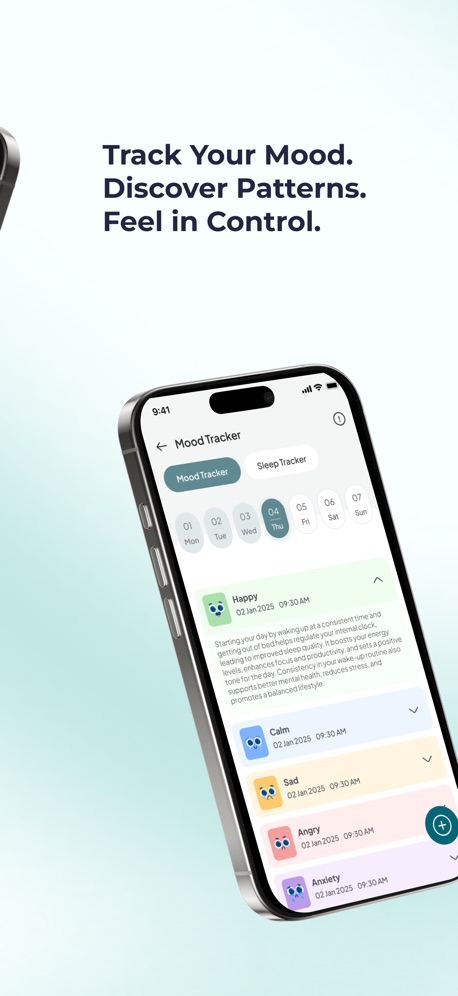

Try Soothfy free for 7 days
Anchor Habits, 2-minute CBT relief and mood tracking for ADHD brains.
Free to download · 7-day free trial · soothfy.com


When to Get Help
If debt is building, you're hiding money problems from people close to you or financial stress is affecting your sleep and mood, reach out for support. A free debt advice service or financial counselor can help with the numbers, and a doctor or ADHD-informed therapist can help with the symptoms behind them. If you think you may have undiagnosed ADHD, see our guide to getting diagnosed as an adult.
Bank and Phone Features That Cut the ADHD Tax
- Spending notifications for every card payment, so impulse buys feel real
- Separate pots or accounts for bills, so bill money isn't accidentally spent
- Bill calendars that show what's coming out and when
- Merchant or category blocks some banks offer, for shopping or gambling sites
- Subscription lists in banking apps and app stores, to spot forgotten charges
- Screen Time or Digital Wellbeing limits on shopping apps
The ADHD Tax for Couples
Money is a common source of conflict when one or both partners have ADHD. It helps to talk about the ADHD tax as a shared problem with shared systems rather than one person's failing. Some couples use a joint bills account with automatic payments, a short weekly money check-in at a fixed time, and a spending limit above which they agree to check with each other. Keep it practical and kind; blame makes avoidance worse.
The ADHD Tax at Work
The ADHD tax doesn't stop at home. Forgotten expense claims, missed training deadlines and last-minute travel bookings can cost real money. Submit expenses the same day using your phone camera, put renewal dates for licences and certifications in your calendar with reminders a month ahead, and book travel as soon as dates are confirmed.
A 30-Day Plan to Pay Less ADHD Tax
| Week | Focus | One action |
|---|---|---|
| 1 | Bills | Set up automatic payments for every regular bill |
| 2 | Subscriptions | Cancel anything you haven't used in 30 days |
| 3 | Spending | Turn off one-click buying and start a 48-hour wishlist |
| 4 | Things | Create fixed homes for keys, wallet, chargers and paperwork |
One change a week is enough. By the end of the month, the most common ADHD tax costs are already covered. Soothfy can turn each step into an Anchor Habit so it sticks.
How to Reset After a Big ADHD Tax Hit
Sometimes the ADHD tax arrives all at once: a stack of fines, a forgotten annual renewal or a debt that's grown. When that happens:
- Take 2 minutes to calm your body before you look at the numbers.
- List everything you owe in one place, with due dates.
- Call or message companies early; many will set up payment plans or waive a first late fee if you ask.
- Fix the one system that would have prevented the biggest cost.
- Get free debt advice if the total feels unmanageable.
Key takeaways
- The ADHD tax is the extra money, time and stress ADHD symptoms cost you.
- A UK survey estimated about £1,600 a year; people with ADHD were far more likely to miss bills and spend on impulse.
- It comes from forgetting, time blindness, impulsivity and avoidance, not carelessness.
- Automate bills, audit subscriptions monthly, pause before buying and give things a home.
- Soothfy helps with the stress and habits behind the ADHD tax through Anchor Habits and 2-minute CBT relief.
Final Thoughts
Almost everyone with ADHD pays some ADHD tax. The goal isn't to never pay it; it's to pay less of it, with less shame. Pick one fix from this guide, set it up today, and add another next month.
More guides: ADHD Forgetfulness, ADHD Waiting Mode, ADHD Burnout, ADHD Dopamine Menu, ADHD and Procrastination and ADHD Daily Routine.
About Soothfy (who wrote this)
This guide is written by the team behind Soothfy, a mental health app for ADHD, anxiety, depression, stress, insomnia, OCD, PTSD, panic attacks and addictive habits. Soothfy is our product, so we say where another app is the better pick. Download Soothfy on the App Store or Google Play.
The ADHD Tax: FAQs (2026)
1. What is the ADHD tax?
The ADHD tax is the extra money, time and emotional energy people with ADHD lose because of their symptoms: late fees, forgotten subscriptions, impulse buys, replacement items, rush delivery, missed deadlines and the stress that comes with all of it. It isn't a real tax or a medical term.
2. How much does the ADHD tax cost?
Estimates vary. A 2022 YouGov survey commissioned by the UK bank Monzo estimated that adults with ADHD spend about £1,600 a year more on average because of difficulties managing money. Your own cost depends on your habits and situation.
3. What are examples of the ADHD tax?
Late fees on bills, parking fines, unused gym memberships and subscriptions, impulse purchases, buying duplicates of things you've lost, rush shipping, food that goes off before you eat it, missed return windows and rebooking fees for missed appointments.
4. Why does ADHD cost more money?
ADHD affects attention, working memory, planning and impulse control. That makes it easier to forget due dates, lose things, act on impulse and put off boring admin, all of which cost money over time.
5. How can I reduce the ADHD tax?
Automate bills, run a monthly subscription check, add a waiting period before non-essential purchases, give important items a fixed home, set reminders for return windows, and lower the stress that leads to avoidance.
6. Is the ADHD tax only about money?
No. Many people include time (searching for lost items, redoing work) and emotional costs (shame, stress, damaged relationships). These can be as heavy as the financial ones.
7. Does impulse spending have to do with ADHD?
Impulsivity is one of the core features of ADHD, and many adults with ADHD report impulse spending. In the Monzo/YouGov survey, 48% of people with ADHD said they often spend on impulse, compared with 12% without ADHD.
8. Can an app help with the ADHD tax?
Banking apps, bill reminders and budgeting apps help with the money side. Soothfy helps with the stress, avoidance and habits behind it through Anchor Habits, 2-minute CBT relief and mood tracking. Get it on the App Store or Google Play.
9. Is it my fault that I keep paying the ADHD tax?
No. These costs come from real differences in attention and executive function, not from carelessness. Shame tends to make avoidance worse, so a kinder, system-based approach usually works better.
10. Should I talk to a professional about ADHD and money?
If money problems are causing debt, serious stress or relationship conflict, a financial counselor and a doctor or ADHD-informed therapist can both help. Many debt charities offer free advice.
Sources
- CDC MMWR (2024): ADHD diagnosis, treatment and telehealth use in adults, United States, 2023
- Monzo (2022): The extra costs of living with ADHD (YouGov survey)
- National Institute of Mental Health: ADHD, What You Need to Know
This article is for information only and is not medical advice. Prices and features change often; check each app store listing before you buy. Last updated November 3, 2026. Soothfy: soothfy.com