Best How We Feel Alternatives in 2026: 7 Mood and Emotion Apps Compared
By Soothfy Team ·
Looking for a How We Feel alternative? We compare the 7 best mood and emotion tracking apps in 2026, with real ratings, prices and what each adds.
How We Feel is one of the best free mental health apps available. Built by a nonprofit with scientists from the Yale Center for Emotional Intelligence, it helps you name exactly what you're feeling, from "content" to "overwhelmed" to "restless", and suggests short strategies for each. It has 4.9 stars from about 30,000 U.S. App Store reviews.
So why look elsewhere? Usually because naming the feeling is only the first step. Many people want a daily plan, CBT exercises, sleep tracking, journaling or reports to share with a therapist. This guide compares the 7 best How We Feel alternatives in 2026.
If you're in crisis or thinking about harming yourself, please reach out to a person right now. In the U.S., call or text 988. In the UK, call Samaritans on 116 123. In Australia, call Lifeline on 13 11 14. Elsewhere, contact your local emergency number.
Quick answer: the best How We Feel alternatives in 2026
- 🥇 Soothfy: best for going from feelings to action, with 2-minute CBT relief, mood and sleep tracking and a daily plan
- Daylio: best quick mood tracker
- Stoic: best for journaling prompts
- Bearable: best for tracking health factors
- Finch: best playful self-care
- MindDoc: best for symptom insights
- Moodfit: best toolbox of exercises
About Soothfy (who wrote this)
This guide is written by the team behind Soothfy, a mental health app for ADHD, anxiety, depression, stress, insomnia, OCD, PTSD, panic attacks and addictive habits. Soothfy is our product, so we say clearly where another app is the better pick. Download Soothfy on the App Store or Google Play.
How We Feel Alternatives Compared
| App | Best for | U.S. rating | Price (U.S.) |
|---|---|---|---|
| 🥇 Soothfy | Feelings → action | — | Free download · 7-day trial · $49.99/yr |
| Daylio | Quick tracking + stats | 4.8 (≈62K) | Free · from $4.99/mo |
| Stoic | Journaling prompts | 4.8 (≈36K) | Free · from $6.99/mo |
| Bearable | Health factors | 4.8 (≈6.7K) | Free · Premium available |
| Finch | Playful self-care | 4.9 (≈775K) | Free · Plus from $34.99/yr |
| MindDoc | Symptom insights | 4.7 (≈29.5K) | Free · premium available |
| Moodfit | Exercise toolbox | 4.7 (≈2.2K) | Free · $39.99/yr |
| How We Feel (for reference) | Naming emotions | 4.9 (≈30K) | Free |
Ratings and prices from U.S. App Store listings and Life Note, checked November 13, 2026.
What How We Feel Does Well
- A mood meter that maps feelings by how pleasant they are and how much energy they carry
- Over 100 emotion words to help you name feelings precisely
- Strategies matched to how you feel, in short videos and exercises
- Patterns linking emotions with sleep, exercise and other data
- Completely free, from a nonprofit
If those are what you value most, How We Feel may be all you need, and you might add a second app rather than replace it.
Why People Look for a How We Feel Alternative
- Wanting a plan. Check-ins show how you feel; many people want guidance on what to do each day.
- Needing quick relief. In an anxious moment, choosing an emotion word can feel like one step too many.
- Tracking sleep closely. Sleep often drives mood, and some people want it front and center.
- Journaling. Some want room to write or record their thoughts.
- Sharing with professionals. Reports for a doctor or therapist can be helpful.
How We Chose
- Each app covers emotion or mood tracking and adds something How We Feel doesn't
- Free options included
- Ratings and prices checked in November 2026
- Clear that they aren't crisis services
Soothfy is our app. If a free app is a must, How We Feel itself is hard to beat, and we say so.
The 7 Best How We Feel Alternatives in 2026
1. Soothfy: Best for Going From Feelings to Action
How We Feel is excellent at helping you name what you feel. Soothfy picks up from there. When you notice a hard emotion, Instant Relief lets you tap your exact symptom, like anxious, sad, irritable or overwhelmed, and gives you 3 CBT exercises with a 2-minute timer. You mark what worked, so it learns what helps you.
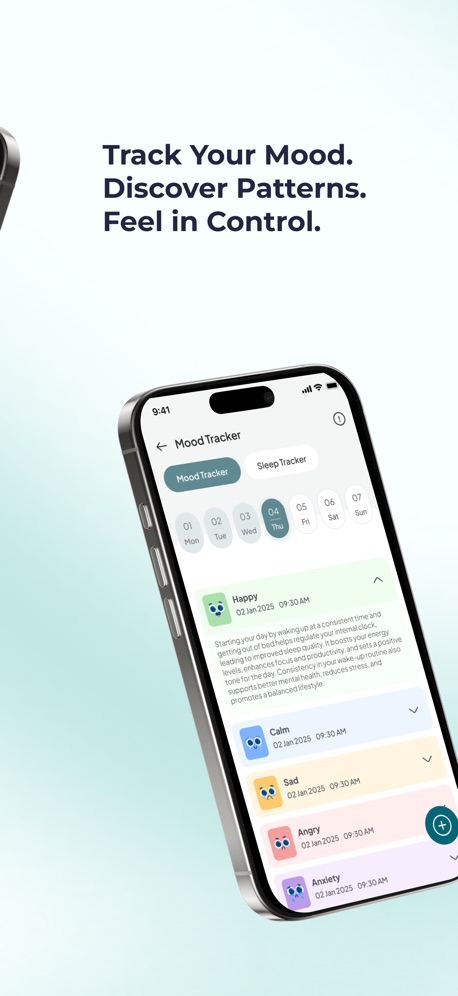
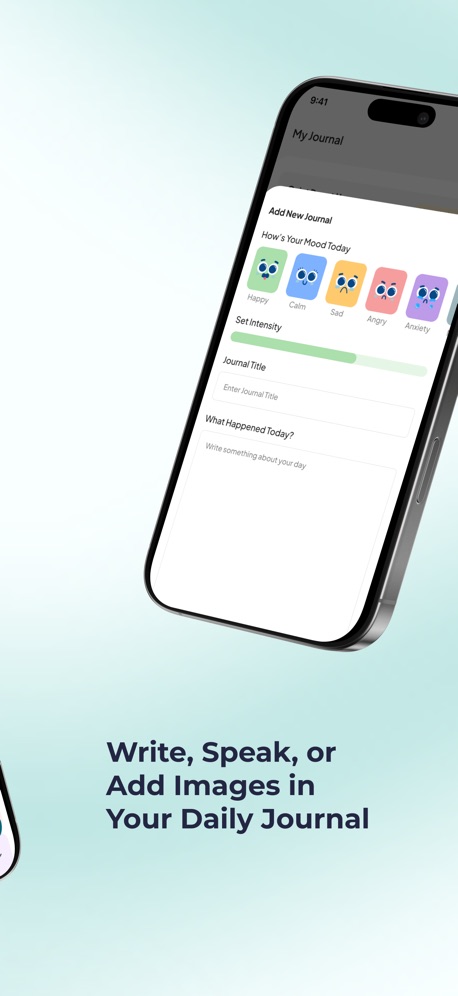
Beyond the moment, a 2-minute check-in builds a personalized 30-day plan of 2- to 5-minute activities tied to Anchor Habits, and a mood and sleep tracker shows how your nights shape your days, with reports to share with your doctor or therapist. The journal lets you write, record a voice note or add images, and tag each entry with your mood.
Compared with How We Feel: How We Feel is free and best for naming emotions; Soothfy adds a plan, CBT relief and sleep tracking for a subscription.
Key features
- Instant Relief: pick your exact symptom, like overwhelm or a racing mind, and get 3 CBT exercises with a 2-minute timer
- Personalized 30-day plan of 2- to 5-minute activities that adapts to your mood and energy
- Anchor Habits: new habits tied to routines you already do, like making coffee
- Mood and sleep tracker with weekly and monthly trends and reports for your doctor or therapist
- Journal with text, voice notes and images
Pros
- Turns emotion awareness into action
- Mood and sleep tracked together
- Covers 9 conditions
Cons
- Not free like How We Feel; uses simpler mood categories than its emotion meter
Pricing
Free to download with a 7-day free trial, then $49.99/year or $8.99/month (U.S.). Get it on the App Store or Google Play, or learn more at soothfy.com.
Best for
- People who want more than check-ins
- Anyone managing anxiety, low mood, stress or ADHD

Try Soothfy free for 7 days
From noticing a feeling to doing something about it, in 2 minutes.
Free to download · 7-day free trial · soothfy.com


2. Daylio: Best Quick Mood Tracker
Daylio lets you track mood and activities in two taps, then shows how they connect with detailed charts and a Year in Pixels. It has 4.8 stars from about 62,000 U.S. App Store reviews. Read our honest Daylio review.
Compared with How We Feel: Fewer emotion words, but stronger stats on what affects your mood.
Key features
- Two-tap entries
- Activity correlations
- Year in Pixels
- Exports
Pros
- Very fast
- Great insights
Cons
- Best stats need Premium
Pricing
Free; Premium from $4.99/month or $35.99/year (Life Note, October 2026).
Best for
- People who want to see what affects their mood
3. Stoic: Best for Journaling Prompts
Stoic combines mood check-ins with guided morning and evening journaling, breathing exercises and philosophy quotes. It has 4.8 stars from about 36,000 U.S. reviews. See our Stoic app alternatives.
Compared with How We Feel: More reflective writing; less focus on precise emotion words.
Key features
- Guided prompts
- Mood check-ins
- Breathing exercises
Pros
- Encourages deeper reflection
Cons
- Premium for full features
Pricing
Free; Premium from $6.99/month (Life Note, October 2026).
Best for
- People who like to write
4. Bearable: Best for Tracking Health Factors
Bearable tracks mood with symptoms, sleep, medication, food and exercise, and shows correlations. It has 4.8 stars from about 6,700 U.S. reviews. See our Bearable alternatives.
Compared with How We Feel: Much broader health tracking, less emotion-focused.
Key features
- Mood, symptoms and medication
- Apple Health sync
- Correlation insights
Pros
- Very customizable
Cons
- Setup takes time
Pricing
Free; Premium subscription available.
Best for
- People with chronic illness or medication changes
5. Finch: Best Playful Self-Care
Finch turns self-care goals and mood check-ins into a game with a virtual pet. It has 4.9 stars from about 775,000 U.S. reviews. See our Finch alternatives.
Compared with How We Feel: More motivation and goals; less depth on emotions.
Key features
- Self-care goals
- Mood check-ins
- Virtual pet
Pros
- Fun and gentle
Cons
- Less clinical depth
Pricing
Free; Finch Plus from $34.99/year.
Best for
- People motivated by games
6. MindDoc: Best for Symptom Insights
MindDoc asks short questions about mood and symptoms several times a day and turns them into summaries. It has 4.7 stars from about 29,500 U.S. reviews. See our MindDoc alternatives.
Compared with How We Feel: More clinical-style questions about symptoms like sleep and appetite.
Key features
- Regular check-ins
- Symptom summaries
- Courses
Pros
- Detailed insights
Cons
- Frequent questions
Pricing
Free; premium subscription available.
Best for
- People preparing for an appointment
7. Moodfit: Best Toolbox of Exercises
Moodfit combines mood tracking with CBT thought records, breathing and goals. It has 4.7 stars from about 2,200 U.S. reviews. See our Moodfit alternatives.
Compared with How We Feel: More tools to practise with; less emotion vocabulary.
Key features
- Mood tracking
- CBT thought records
- Breathing
- Goals
Pros
- Many tools
Cons
- Busy design
Pricing
Free; Premium $39.99/year (U.S. App Store).
Best for
- People who like choosing their own tools
Which Alternative Adds What You're Missing?
| You want to add… | Best alternative |
|---|---|
| Quick CBT relief and a daily plan | Soothfy |
| Detailed mood statistics | Daylio |
| Journaling prompts | Stoic |
| Medication and symptom tracking | Bearable |
| Fun, gentle motivation | Finch |
| Clinical-style symptom summaries | MindDoc |
| A toolbox of exercises | Moodfit |
Naming Feelings Is Step One
How We Feel is built on the idea that precisely naming emotions helps you manage them. A simple 3-step approach takes that further:
- Name it. "I feel anxious and restless" is more useful than "I feel bad".
- Calm the body. Two minutes of slow breathing or grounding brings the intensity down.
- Take one small action. A short walk, a message to a friend, or the first step of a task.
That's the flow Soothfy is built around: Instant Relief for step 2 and a daily plan of short activities for step 3.


Building a Daily Check-In Habit
- Anchor it. Check in right after something you do every day, like your evening tea.
- Keep it short. Thirty seconds is enough.
- Check in twice on hard days. Morning and evening show how your day changed.
- Add sleep. Note how long and how well you slept.
- Review weekly. Look for patterns, not single bad days.
Free vs Paid Mood Apps: What You Get
| Free apps (How We Feel) | Paid apps (Soothfy, Daylio Premium, Bearable Premium) | |
|---|---|---|
| Emotion or mood check-ins | Yes | Yes |
| Strategies or exercises | Short strategies | Structured exercises, plans or CBT tools |
| Detailed stats | Basic patterns | Deeper trends and correlations |
| Sleep tracking | Via health data | Often built in |
| Reports for professionals | Limited | Often included |
| Ongoing cost | None | Usually $35–60 a year |
A good rule: start free, and only pay once you've used an app most days for a few weeks and know what you'd use the paid features for.
Emotion Tracking With ADHD
Strong, fast-changing emotions are common with ADHD, and many people find it hard to name what they feel in the moment. Emotion check-ins can help, but only if they're quick. Keep them to 30 seconds, anchor them to a daily habit, and use voice notes on days when typing feels like too much. Our guide to ADHD emotional dysregulation explains why feelings can hit so hard, and ADHD burnout covers what to watch for when emotions start to feel flat instead.
When to Look for More Support
Mood apps are helpful, but they're not a substitute for care. Talk to a doctor or therapist if low mood lasts more than two weeks, anxiety is stopping you from doing everyday things, your sleep or appetite has changed a lot, or you're using alcohol or other substances to cope. A few weeks of check-ins can make that first conversation easier.
Key takeaways
- How We Feel is free, science-based and excellent for naming emotions precisely.
- Daylio adds statistics, Stoic adds journaling, Bearable adds health tracking and Finch adds playful goals.
- MindDoc and Moodfit offer deeper symptom insights and CBT tools.
- Soothfy helps you go from feelings to action with 2-minute CBT relief, mood and sleep tracking and a daily plan.
Final Verdict
If free matters most, keep How We Feel. For stats, add Daylio. For journaling, Stoic. For health tracking, Bearable. And if you want an app that helps you do something about how you feel, choose Soothfy.
More guides: Moodfit Alternatives, MindDoc Alternatives, Youper Alternatives, DailyBean Alternatives and ADHD Emotional Dysregulation.
Name it, calm it, act on it
Download Soothfy free: 2-minute CBT relief, mood and sleep tracking and a daily plan.
Free to download · 7-day free trial · soothfy.com
How We Feel Alternatives: FAQs (2026)
1. What is the best How We Feel alternative in 2026?
Soothfy is our top pick if you want emotion check-ins plus a plan and quick CBT relief. Daylio is the quickest mood tracker, Stoic adds journaling prompts, Bearable tracks the most health factors, and Finch makes self-care playful.
2. Is How We Feel really free?
Yes. How We Feel is free, made by a nonprofit, and has no premium tier listed on the U.S. App Store.
3. Who made How We Feel?
How We Feel was created by The How We Feel Project, a nonprofit, together with scientists including researchers from the Yale Center for Emotional Intelligence.
4. Why would I switch from a free app?
Common reasons are wanting a daily plan, CBT exercises, sleep and mood tracked together, journaling, or reports to share with a professional.
5. What is a mood meter?
A mood meter places emotions on two scales: how pleasant they feel and how much energy they have. How We Feel uses this to help you pick a precise emotion word.
6. Why does naming emotions help?
Being able to name feelings precisely, sometimes called emotional granularity, helps many people understand and manage them. It's a core idea behind How We Feel.
7. Which alternative has CBT tools?
Soothfy offers Instant Relief, 3 CBT exercises for your exact symptom with a 2-minute timer. Clarity and Moodfit also include CBT thought records.
8. Which alternative is best for journaling?
Stoic offers guided prompts, Day One is best for a long-term diary, and Soothfy's journal supports text, voice notes and images with mood tags.
9. Which alternative tracks sleep and mood together?
Soothfy and Bearable track sleep alongside mood.
10. Can I use How We Feel and another app together?
Yes. Some people keep How We Feel for quick emotion check-ins and use Soothfy for daily habits, CBT relief and sleep tracking.
Sources
- How We Feel on the U.S. App Store
- Daylio on the U.S. App Store
- Stoic on the U.S. App Store
- Finch on the U.S. App Store
- Moodfit on the U.S. App Store
- Life Note: Best journaling apps 2026 (pricing)
This article is for information only and is not medical advice. Prices and features change often; check each app store listing before you buy. Last updated November 18, 2026. Soothfy: soothfy.com